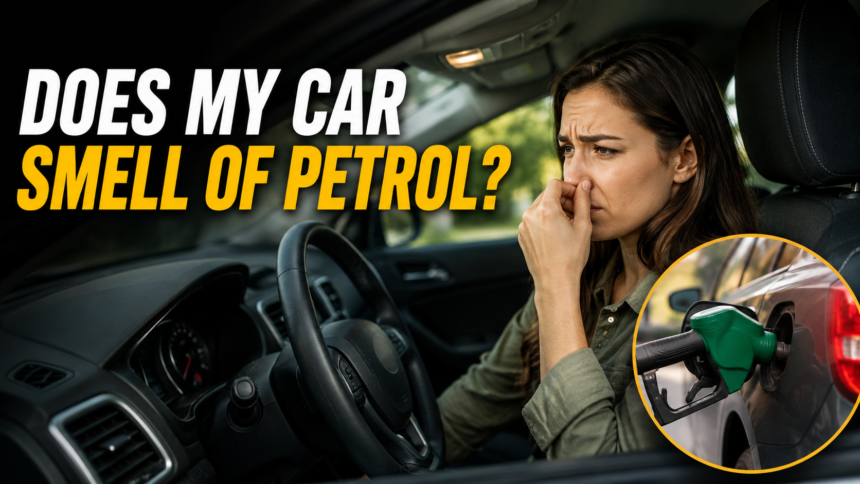
If you keep asking yourself why does my car smell of petrol, the answer usually points to a fuel system problem that needs quick attention. It could be something as small as a loose fuel cap or as serious as a leaking fuel line under your vehicle.
- Common Causes of Petrol Smell in a Car
- Loose or Damaged Fuel Cap
- Fuel Leak from Lines or Hoses
- Cracked or Corroded Fuel Tank
- Faulty Fuel Injectors
- Overfilled Fuel Tank
- Damaged Fuel Filter
- Evaporative Emission Control (EVAP) System Issues
- Carburetor Flooding in Older Vehicles
- Spilled Fuel During Refueling
- Worn Gaskets or O-Rings
- Petrol Smell Inside the Cabin vs. Outside the Car
- Petrol Smell When the Car Is Idle vs. While Driving
- Warning Signs to Watch Alongside the Smell
- Is a Petrol Smell Dangerous?
- What to Do If You Smell Petrol in Your Car?
- How Mechanics Diagnose a Petrol Smell?
- Cost of Repairing Common Petrol Leak Issues
- How to Prevent Petrol Smells in the Future?
- Frequently Asked Questions
- Can a petrol smell go away on its own?
- Is it safe to drive with a petrol smell?
- How much does it cost to fix a fuel leak?
- Can a petrol smell damage the engine?
- Conclusion
- Related Articles
This smell is your car’s way of telling you that fuel is escaping from a place it shouldn’t be. Ignoring it can lead to poor performance, wasted fuel, or even a fire hazard in extreme cases.
The good news is that most causes are easy to identify once you know what to look for, and many of them can be fixed quickly by a mechanic without a huge repair bill.
Is It Normal to Smell Petrol in a Car?
A quick whiff of petrol right after refueling is usually harmless and fades within a few minutes. However, if the smell lingers long after you’ve filled up or appears without any refueling at all, that is not normal and needs checking.
Faint and Temporary Smell
This type of smell often happens right after you fill the tank, especially if a small amount of fuel splashed near the cap or nozzle during refueling. It usually disappears once you start driving and the air clears out. As long as it does not return later in the day, there is generally nothing to worry about here.
Persistent or Strong Smell
A smell that keeps coming back, gets stronger over time, or fills the cabin while driving is a clear warning sign. This kind of smell usually points to an actual leak somewhere in the fuel system rather than a one-time splash. It should never be ignored, no matter how busy your schedule is.
Common Causes of Petrol Smell in a Car
There are several parts of your vehicle that can cause this smell, ranging from something as simple as a cap to something as complex as an injector. Understanding each cause helps you explain the problem clearly when you visit a mechanic.
Loose or Damaged Fuel Cap
The fuel cap seals off vapors from escaping the tank, and when it is loose, cracked, or missing altogether, those vapors leak out into the air around your car.
This is one of the most common and easiest issues to fix, often costing very little. Simply tightening or replacing the cap solves the smell in most cases.
Fuel Leak from Lines or Hoses
Rubber fuel lines and hoses carry petrol from the tank to the engine, and over years of use they can crack, dry out, or loosen at their connection points.
Once this happens, fuel drips out and creates a strong odor, especially noticeable when the car is parked. This kind of leak also poses a fire risk if left unaddressed for too long.
Cracked or Corroded Fuel Tank
The fuel tank itself can develop cracks or rust spots over time, particularly in older vehicles or those exposed to road salt and moisture.
A damaged tank allows fuel to seep out slowly, often leaving visible stains or puddles underneath the car. This is a more serious issue that usually requires professional repair or tank replacement.
Faulty Fuel Injectors
Fuel injectors spray precise amounts of petrol into the engine, and when their seals wear out or the injector itself malfunctions, fuel can leak into areas it should not reach.
This often creates a smell near the engine bay along with rough running or reduced power. Replacing the faulty injector or its seal usually resolves the problem.
Overfilled Fuel Tank
Filling the tank past its recommended capacity leaves no room for fuel vapors to expand safely, causing them to escape through the cap or vent system. This is a simple mistake many drivers make at the pump without realizing the consequences. The smell usually fades on its own once fuel levels drop slightly through normal driving.
Damaged Fuel Filter
The fuel filter keeps debris out of the engine, and when it cracks or its housing loosens, fuel can leak from that point in the system. This is less common but still worth checking if other causes have been ruled out. A mechanic can inspect and replace the filter fairly quickly.
Evaporative Emission Control (EVAP) System Issues
The EVAP system captures fuel vapors instead of letting them escape into the atmosphere, and any crack or disconnection in its hoses lets those vapors out as a petrol smell. This system is connected to several components, so a diagnostic scan is often needed to pinpoint the exact failure point. Ignoring it can also trigger a check engine light.
Carburetor Flooding in Older Vehicles
Older cars with carburetors instead of fuel injection can experience flooding when too much fuel enters the engine at once. This often happens after multiple failed start attempts or a stuck float valve inside the carburetor. The smell is usually strong but temporary, clearing up once the excess fuel burns off or is drained.
Spilled Fuel During Refueling
Sometimes the smell has nothing to do with a mechanical fault and simply comes from fuel spilling onto the car’s exterior or nearby ground during a fill-up. This is harmless and disappears once the spilled fuel evaporates completely. Wiping the area down can speed up the process.
Worn Gaskets or O-Rings
Small rubber gaskets and O-rings seal connections throughout the fuel system, and as they age, they harden and lose their ability to seal properly. Once this happens, tiny amounts of fuel can seep through these worn seals. Replacing them is usually inexpensive but requires locating the exact weak point first.
Petrol Smell Inside the Cabin vs. Outside the Car
Where you notice the smell coming from tells you a lot about where the actual leak is located. This distinction helps narrow down the cause before you even open the hood.
Smell Inside the Cabin
A petrol smell that fills the inside of the car usually means fuel vapors are entering through the ventilation system or a leak near the tank under the rear seats. This is more concerning because it means you are breathing in fumes directly while driving. It should be checked immediately rather than left for later.
Smell Outside or Under the Hood
If the smell is only noticeable when you are standing near the car or under the hood, the source is likely closer to the engine, injectors, or fuel lines in that area. This is easier to inspect visually by checking for stains, wet patches, or corrosion. A flashlight check under the car can often reveal the exact spot.
Petrol Smell When the Car Is Idle vs. While Driving
The timing of when the smell appears gives another useful clue about which part of the system is affected. Some leaks only show up under certain conditions.
Smell While the Car Is Idling
If the smell only appears when the engine is running but the car is not moving, it often points to a leak near the engine or injectors that gets worse with heat and vibration. Pressure builds up differently at idle compared to driving, which can expose a weak seal. This pattern is worth mentioning to your mechanic since it helps with diagnosis.
Smell While Driving
A smell that only shows up while the car is moving may be linked to fuel sloshing inside a partially damaged tank or a leak that only opens up under motion and vibration. This can be harder to catch during a stationary inspection. A road test alongside a mechanic often helps identify this type of issue.
Warning Signs to Watch Alongside the Smell
The petrol smell rarely comes alone, and paying attention to accompanying symptoms helps you judge how urgent the problem really is.
| Warning Sign | What It May Indicate |
| Visible fuel stains or puddles under the car | Active leak from tank, lines, or filter |
| Decreased fuel efficiency | Fuel escaping before reaching the engine properly |
| Engine misfires or rough idling | Injector fault or vacuum leak affecting fuel delivery |
| Dashboard warning lights | EVAP system fault or fuel pressure issue detected by sensors |
Is a Petrol Smell Dangerous?
Yes, a petrol smell can be genuinely dangerous depending on its cause and how long it has been ignored. Both fire risk and health risk need to be taken seriously here.
Fire and Explosion Risk
Petrol vapors are highly flammable, and even a small spark near a leak can cause a fire in extreme cases. This risk increases if the leak is near hot engine components or electrical wiring. It is one of the main reasons this smell should never be treated casually.
Health Risks of Inhaling Fumes
Breathing in petrol fumes for extended periods can cause headaches, dizziness, nausea, and irritation to your eyes and throat. Long-term exposure in enclosed spaces like a closed garage or cabin can be more harmful than a brief outdoor whiff. Keeping windows open and limiting exposure until the issue is fixed is a smart precaution.
When to Stop Driving Immediately
If the smell is strong, appears suddenly, or is joined by smoke or visible fuel dripping, you should pull over safely and stop driving right away. Continuing to drive in this situation increases both fire risk and the chance of further damage to the fuel system. It is always safer to call for a tow than to push through the drive.
What to Do If You Smell Petrol in Your Car?
Once you notice the smell, a calm and structured response helps you handle the situation safely instead of panicking.
- Park the car in an open, well-ventilated area away from flames or sparks.
- Turn off the engine and avoid restarting it if the smell is strong.
- Check the fuel cap first, since it is the easiest and most common cause.
- Look underneath the car for any visible stains, drips, or puddles.
- Call a mechanic or roadside assistance if you cannot identify the source yourself.
Basic Checks You Can Do Yourself
Before calling for help, a few simple checks can save time and sometimes solve the issue immediately. Tightening the fuel cap, inspecting visible hoses near the engine, and checking under the car for wet patches are all things any driver can do without special tools. These checks take only a few minutes but can rule out the simplest causes quickly.
When to Call a Professional
If your basic checks do not reveal an obvious cause, or if the smell is strong and persistent, it is time to involve a professional mechanic rather than guessing further. Fuel system issues often require specific tools like pressure gauges and smoke machines to diagnose accurately. Attempting a fix without proper diagnosis can sometimes make the problem worse.
How Mechanics Diagnose a Petrol Smell?
Professionals follow a structured process to trace the smell back to its exact source rather than relying on guesswork. This ensures the real problem gets fixed instead of just the symptoms.
Visual Inspection
The first step usually involves a thorough visual check of the fuel tank, lines, cap, and connections for any visible cracks, wetness, or corrosion. This alone catches a large number of common leak sources. It is quick, inexpensive, and often the starting point of every diagnosis.
Pressure Testing the Fuel System
Mechanics use special equipment to pressurize the fuel system and monitor for any drop in pressure, which indicates a leak somewhere in the lines or tank. This method finds leaks that are not visible to the naked eye. It is especially useful for pinpointing small or slow leaks.
Smoke Testing for EVAP Leaks
A smoke machine pushes visible smoke through the EVAP system, and any escaping smoke reveals exactly where a crack or disconnected hose is located. This test is particularly effective for evaporative system issues that trigger warning lights. It is a standard tool in most repair shops today.
Cost of Repairing Common Petrol Leak Issues
Repair costs vary depending on the exact cause, and knowing a rough price range helps you budget before visiting a shop.
| Issue | Approximate Repair Cost Range |
| Fuel cap replacement | Low cost, often the cheapest fix |
| Fuel line or hose repair | Moderate cost depending on location |
| Fuel injector replacement | Moderate to high cost per injector |
| Fuel tank repair or replacement | Higher cost, especially for full replacement |
| EVAP hose or valve repair | Low to moderate cost |
How to Prevent Petrol Smells in the Future?
Regular care of your fuel system reduces the chances of this problem returning and keeps your car running efficiently overall.
Regular Maintenance Tips
Scheduling routine inspections of your fuel lines, cap, and tank during regular servicing helps catch small issues before they turn into bigger leaks. Mechanics often spot early signs of wear that are easy to miss otherwise. Staying consistent with service intervals is one of the simplest ways to avoid future smells.
Proper Refueling Habits
Avoiding overfilling the tank and making sure the cap clicks fully into place after refueling prevents two of the most common causes of petrol smell. Taking a few extra seconds at the pump can save you a repair visit later. This habit costs nothing but pays off significantly over time.
Routine Inspections
Occasionally glancing under your parked car for stains or checking hoses during an oil change adds another layer of protection. Catching a leak early usually means a cheaper and faster fix. This small habit fits easily into your regular car care routine.
Frequently Asked Questions
Can a petrol smell go away on its own?
A very faint smell from a minor spill during refueling can fade on its own within minutes. However, a smell caused by an actual leak will not disappear without repair and often gets worse over time.
Is it safe to drive with a petrol smell?
Driving with a faint, temporary smell right after refueling is generally fine, but a strong or persistent smell means you should get the car checked before continuing to drive.
How much does it cost to fix a fuel leak?
Costs range widely depending on the cause, from a low-cost fuel cap replacement to a higher-cost tank repair, so a proper diagnosis is needed for an accurate estimate.
Can a petrol smell damage the engine?
The smell itself does not directly damage the engine, but the underlying leak causing it can affect fuel delivery, reduce efficiency, and lead to further damage if left unrepaired.
Conclusion
Understanding why does my car smell of petrol comes down to identifying which part of the fuel system has failed, from a simple loose cap to a more serious tank or injector issue.
Acting quickly once you notice the smell protects both your safety and your vehicle’s long-term health. A short visit to a trusted mechanic is always worth it compared to the risks of ignoring this warning sign.
Related Articles
Are Jeeps Good Cars? Honest Guide to Reliability, Pros & Cons
Can Car Oil Expire? Shelf Life and Storage Explained