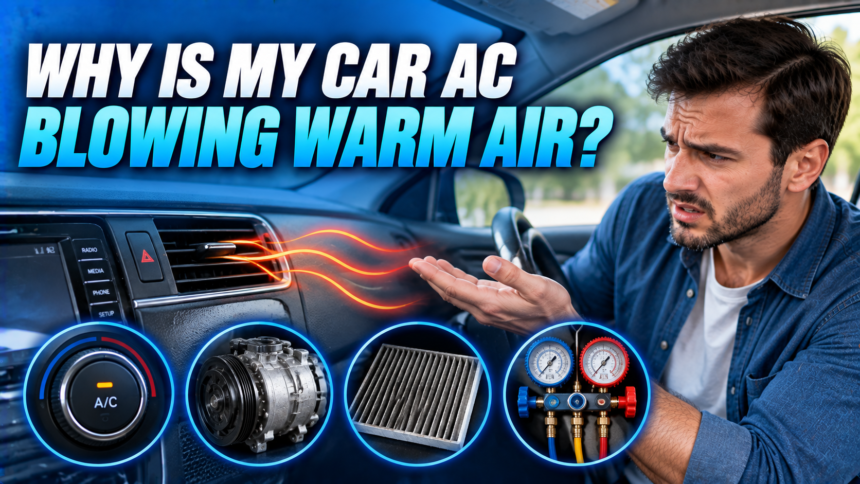
The most common reason a car’s AC blows warm air is low refrigerant caused by a leak. Other frequent causes are a failing compressor, a clogged or dirty condenser, or an electrical fault like a blown fuse. Less often it is a clogged cabin filter or a stuck blend door. The trick to fixing it fast is matching what you are noticing to the likely cause.
- The number one cause: low refrigerant from a leak
- A failing compressor
- A clogged or dirty condenser
- Electrical faults and a blown fuse
- Clogged cabin filter and blend door issues
- Read the symptom to narrow the cause
- What you can check yourself
- When to see a professional
- Conclusion
- Frequently asked questions
- Related Articles
Your AC can still push air out of the vents while failing to cool it, which is exactly what “blowing warm” means. Here are the causes in order of how common they are, plus how to read the symptoms and what you can safely check yourself.
The number one cause: low refrigerant from a leak
Refrigerant is the fluid that actually makes the cold. It cycles through the AC system, absorbing heat from the cabin and releasing it outside. If the level drops, the system cannot pull heat out of the air, so what comes from the vents is warm.
Here is the key thing most people miss: the AC system is sealed, so refrigerant does not get used up like fuel. If the level is low, it leaked out. Think of it like blood in your veins; you only lose it if there is a wound. That means the real problem is almost always a leak, and the low refrigerant is just the symptom.
Leaks are often tiny and hard to spot, and you usually will not see a puddle, because refrigerant escapes as a gas rather than a liquid. As Tires Plus notes, it typically slips out into the air where you cannot see it. Common leak points are brittle rubber O-rings and seals, hose connections, and the condenser, and leaks show up more often in cars over about five years old as those seals dry out.
A refrigerant recharge can get the AC cold again for a while, but if you do not fix the leak, it will slowly drain and blow warm again. A recharge without a repair is a patch, not a cure.
A failing compressor
The compressor is the heart of the AC. It pressurizes and circulates the refrigerant through the system, so if it is not working, the refrigerant never reaches the part that cools the cabin, and you get warm air no matter how much refrigerant is in the system.
Compressor trouble often shows up after a long stretch of not using the AC, such as after winter. It can fail internally from age or from lack of lubrication, which itself is often caused by a slow refrigerant leak. There is also a compressor clutch that engages and disengages it; if that clutch or its switch fails, the compressor will not turn on. A loud noise or grinding when you switch on the AC is a warning sign of compressor problems.
A clogged or dirty condenser
The condenser sits at the front of the car, usually in front of the radiator, and its job is to release the heat the refrigerant absorbed. It relies on air flowing through it to do that. Because it is right at the front, it gets hit with bugs, leaves, dirt, and road grime.
When the condenser is clogged or blocked, or its cooling fan is not working, it cannot shed heat properly, and the AC loses cooling power. A telltale clue is AC that blows cool while you are driving but goes warm at a stop. At speed, air is forced through the condenser naturally; at idle the system depends on the fan, so a weak fan or a dirty condenser shows up most when the car is not moving.
Electrical faults and a blown fuse
The AC depends on several electrical parts to switch on and run: fuses, relays, switches, and wiring. If all the mechanical parts are healthy but the AC still blows warm, the cause may be electrical. A blown fuse, a bad relay, or a frayed wire can stop an otherwise fine AC system from turning on at all.
This is worth knowing because an electrical fault can be one of the cheaper and simpler fixes. A blown fuse in particular is quick and inexpensive to replace, and checking it is something many drivers can do themselves before assuming the worst.
Clogged cabin filter and blend door issues
Two less common causes are worth a mention. The cabin air filter cleans the air coming into the vents, and if it is badly clogged, airflow drops so much that the cooling feels weak, even if the AC itself is fine. This is one of the easier things to check and replace.
The other is the blend door actuator, a small part that directs air through the system and controls the temperature mix. If it fails or sticks, it can send warm air through instead of cold. A classic sign is warm air from only one side of the cabin, which points to a blend door or a dual-zone climate control fault rather than a refrigerant problem.
Read the symptom to narrow the cause
When your AC goes warm, and where, is a strong clue to why. Use this to narrow it down before paying for a diagnosis:
| What you notice | Likely pointing to | DIY or pro? |
| Warm air all the time, gets worse over weeks | Low refrigerant from a leak | Pro (find and fix the leak) |
| Warm only at idle, cools when driving | Weak condenser airflow or cooling fan | Pro |
| Warm only while driving fast | A failing compressor or fan | Pro |
| Warm from one side of the cabin | Blend door actuator or dual-zone fault | Pro |
| Weak airflow from the vents | Clogged cabin air filter | Often DIY |
| AC totally dead, no click | Blown fuse or electrical fault | Check fuse yourself, then pro |
None of this replaces a proper inspection, but it helps you understand what a shop is likely to find and whether you are facing a small fix or a bigger one.
What you can check yourself
A few checks are safe for most drivers and can either fix the problem or tell you it is electrical rather than mechanical:
- Replace a clogged cabin air filter. If airflow is weak, a fresh filter is cheap and easy, and often restores good airflow.
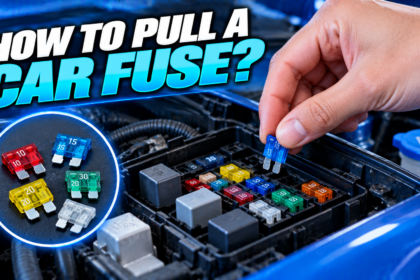
- Check the AC fuse. A blown fuse is a common, simple cause. Your owner’s manual shows which fuse and where the box is.
- Clear debris from the condenser. Gently clear leaves and dirt from the front of the car where air enters, so the condenser can breathe.
- Listen when you switch on the AC. A click means the compressor is trying to engage. Grinding or squealing points to compressor trouble.
Be cautious with DIY refrigerant recharge kits. They can hide a leak, overcharge the system, and make a proper diagnosis harder. Refrigerant is also extremely cold and can injure skin, so handling it is best left to a technician.
When to see a professional
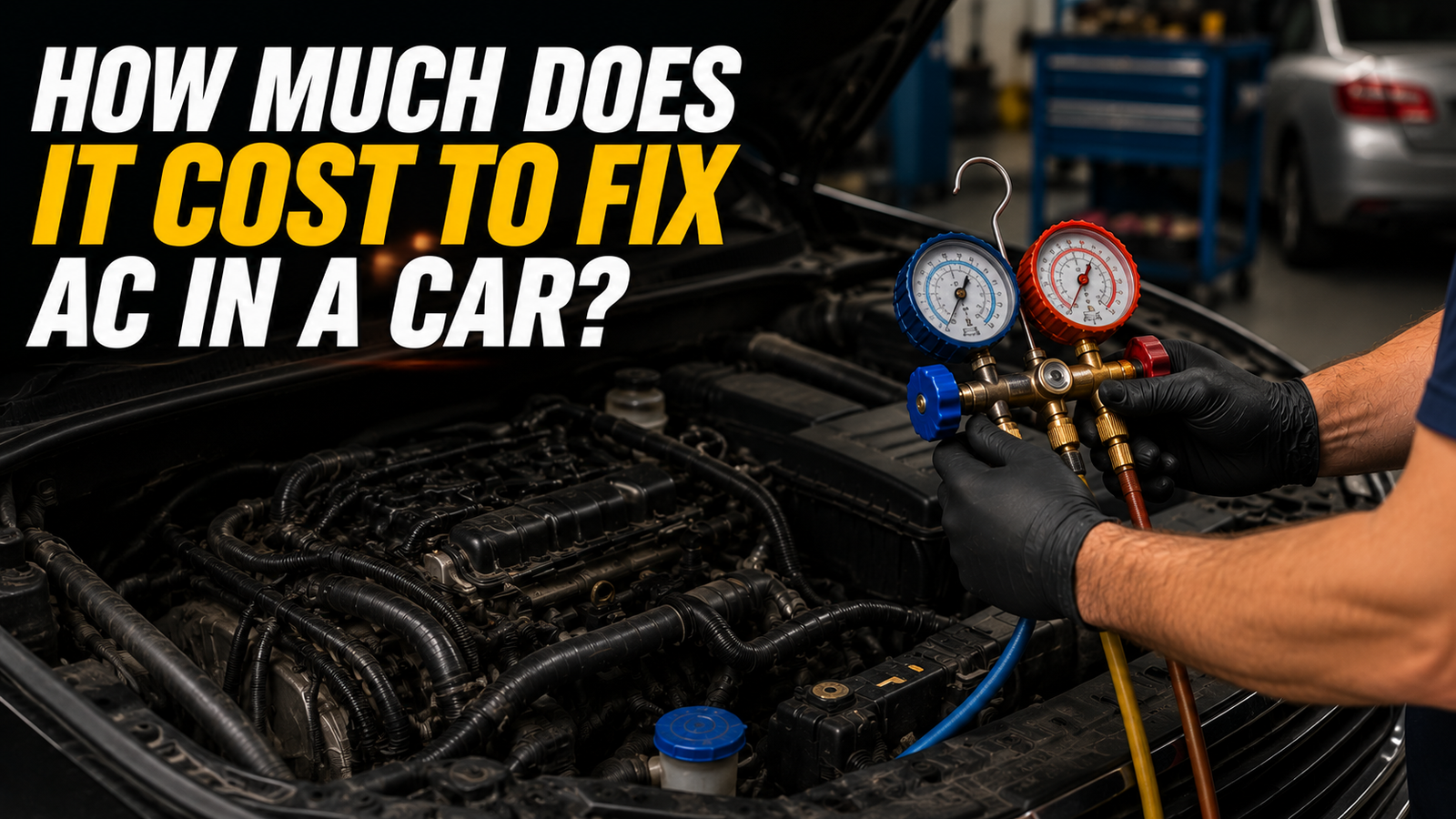
Most AC faults need a shop, because diagnosing them means measuring system pressures and safely handling refrigerant with the right tools. Technicians use UV dye and electronic detectors to pinpoint a leak, then repair it before recharging, which is the only lasting fix for low refrigerant.
Get it looked at by a professional if the AC still blows warm after a recharge, if you hear grinding or squealing from the compressor, if you can see signs of a leak, or if the system switches on and off rapidly. Catching a leak early also protects the compressor, since running low on refrigerant starves it of lubrication and can turn a cheap repair into an expensive one.
Conclusion
If your car’s AC is blowing warm air, low refrigerant from a leak is the most likely cause, followed by a failing compressor, a clogged condenser, or an electrical fault. Use when and where the air goes warm to narrow it down, and check the easy things first: the cabin filter, the AC fuse, and debris at the condenser. Remember that the system is sealed, so a recharge alone only masks a leak. For anything mechanical, a shop can find the leak and fix it properly so the cold air comes back for good.
Frequently asked questions
Why is my car AC blowing warm only when idling? Usually weak condenser airflow. At speed, air is forced through the condenser; at a stop the system relies on the cooling fan, so a weak fan or a dirty condenser shows up most at idle.
Does low refrigerant mean I have a leak? Almost always. The AC system is sealed, so refrigerant is not used up over time. If the level is low, it leaked out, and the leak should be fixed, not just topped up.
Can I just recharge the AC myself? A recharge can cool things temporarily, but it often masks a leak and can overcharge the system. Refrigerant is also very cold and can injure skin, so professional service is usually the safer choice.
Why is warm air coming from only one side? That points to a blend door actuator or a dual-zone climate control fault rather than a refrigerant issue, since low refrigerant would affect both sides equally.
Is it safe to drive with the AC blowing warm? Yes, it is a comfort issue, not a safety one. But if the cause is a leak, fixing it sooner protects the compressor from running low on lubrication and failing.
Related Articles
Why Is My Car Making a Whining Noise?
How to Shut Off a Radiator: Full Guide
Why Is My Car Smoking From the Hood? What It Means
How Do the Fins Help in Radiator Cooling? A Complete Guide for Drivers